
mapungubwe national park
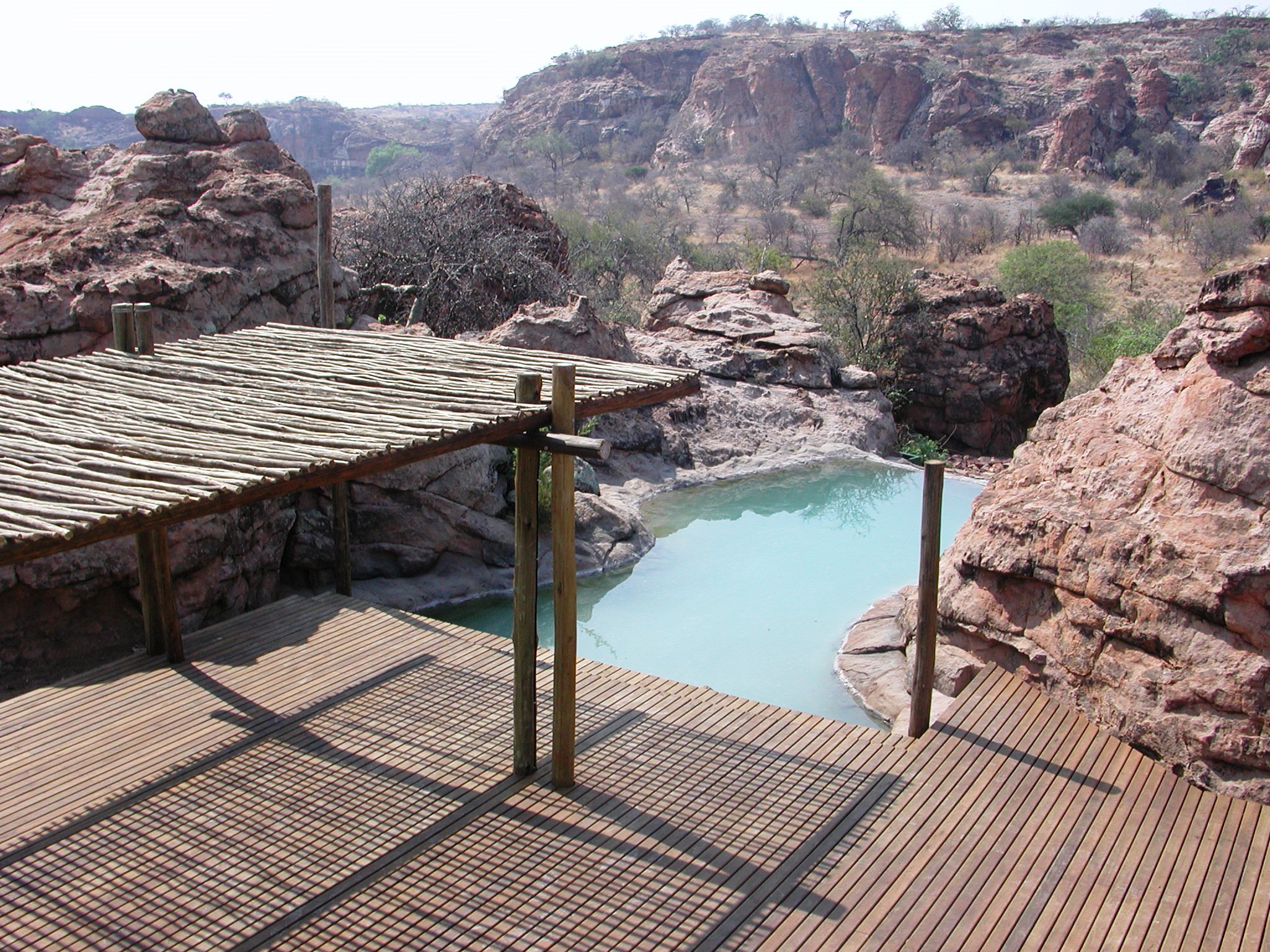

mapungubwe NP vembe dongola

eco-tourism residential institutional master planning other
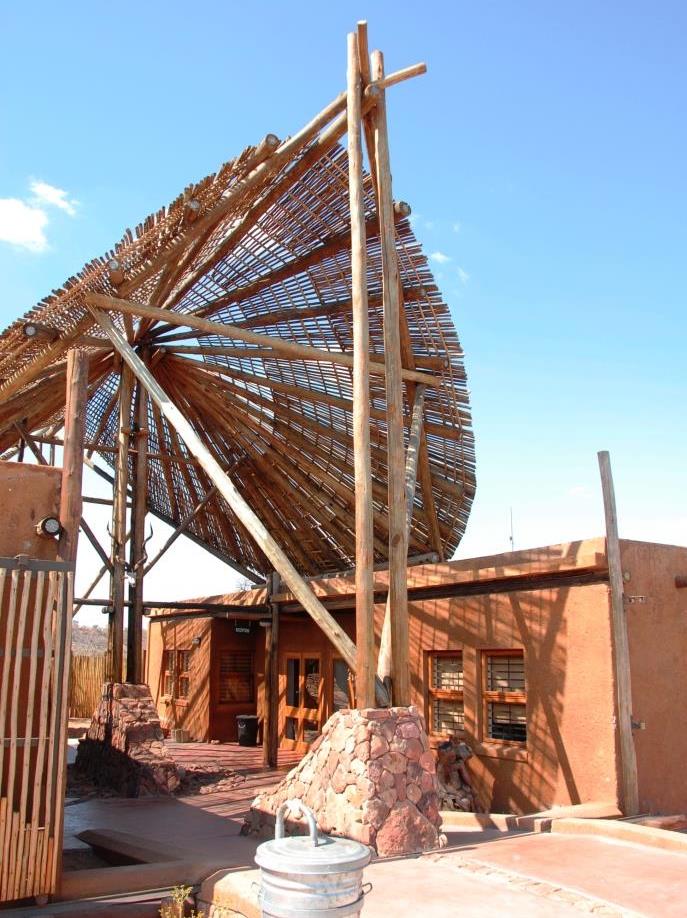
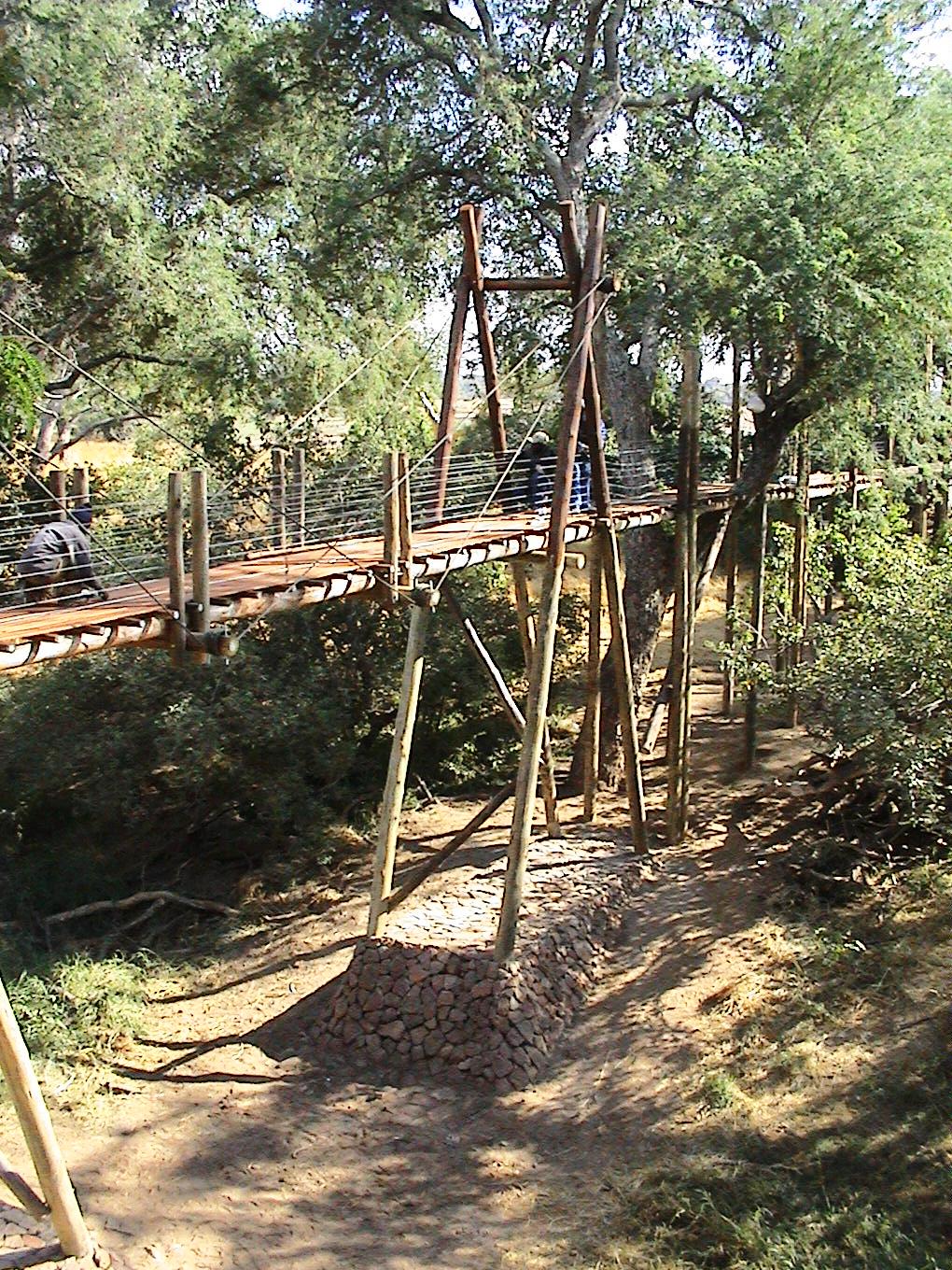
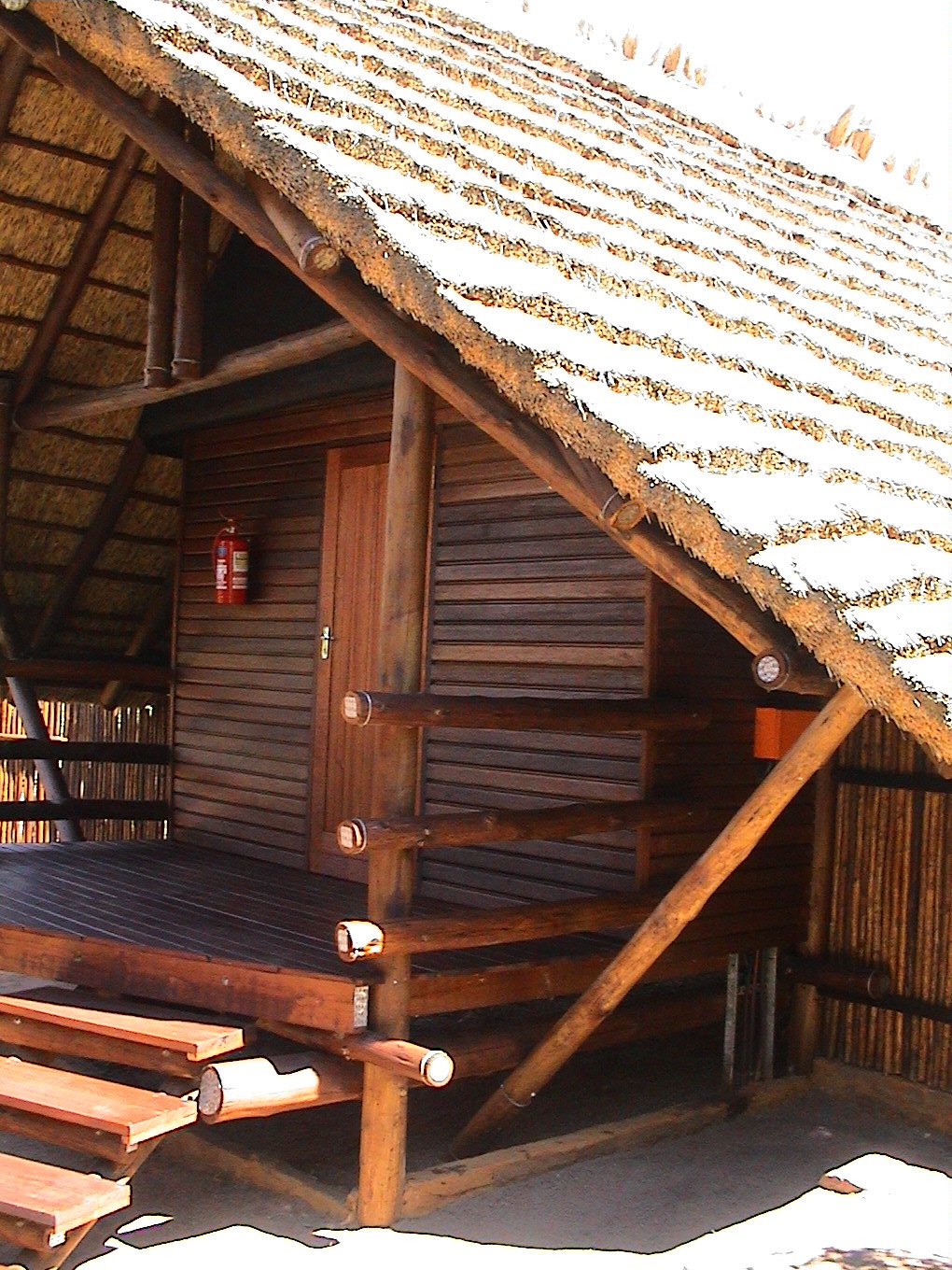

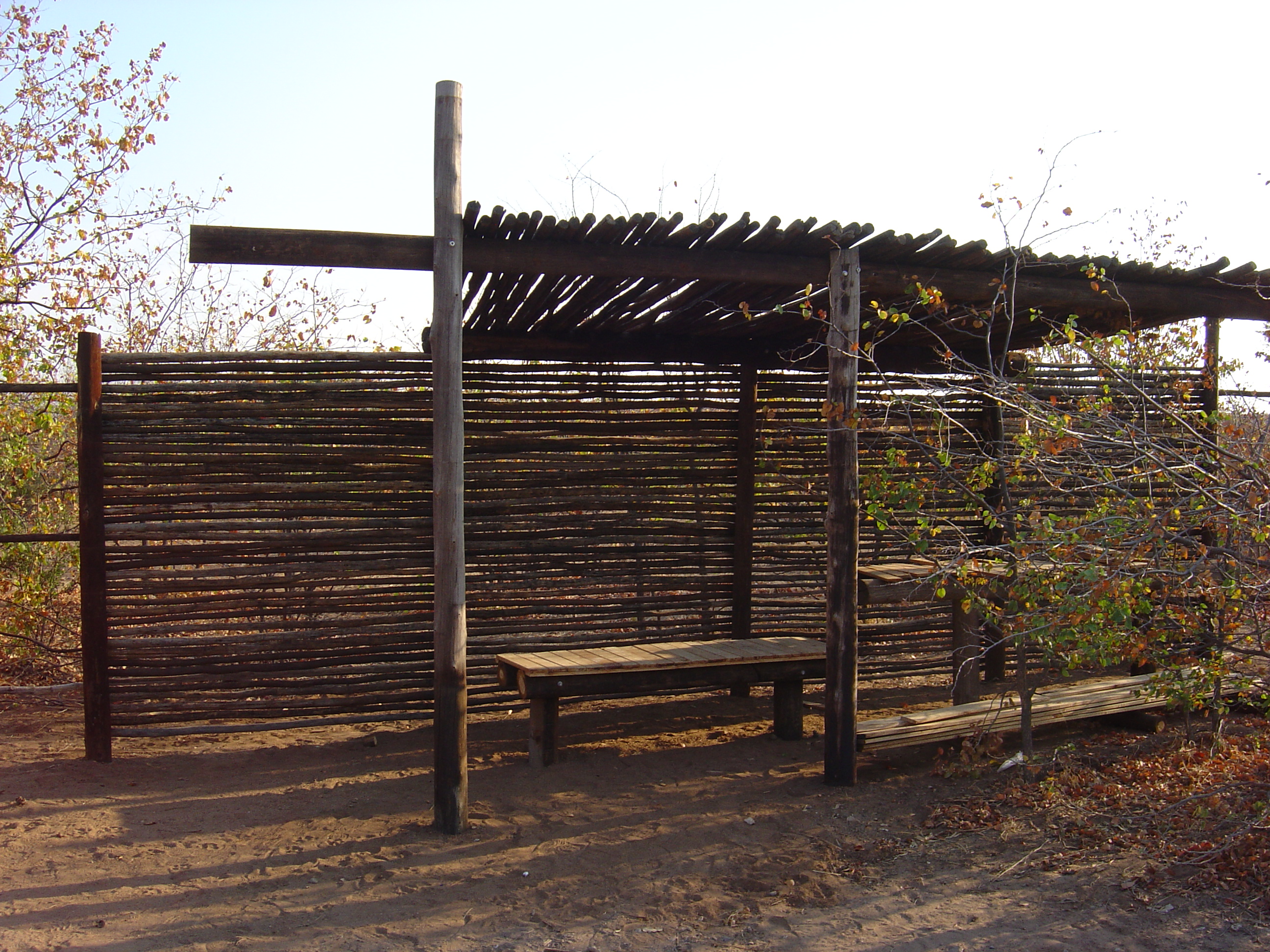


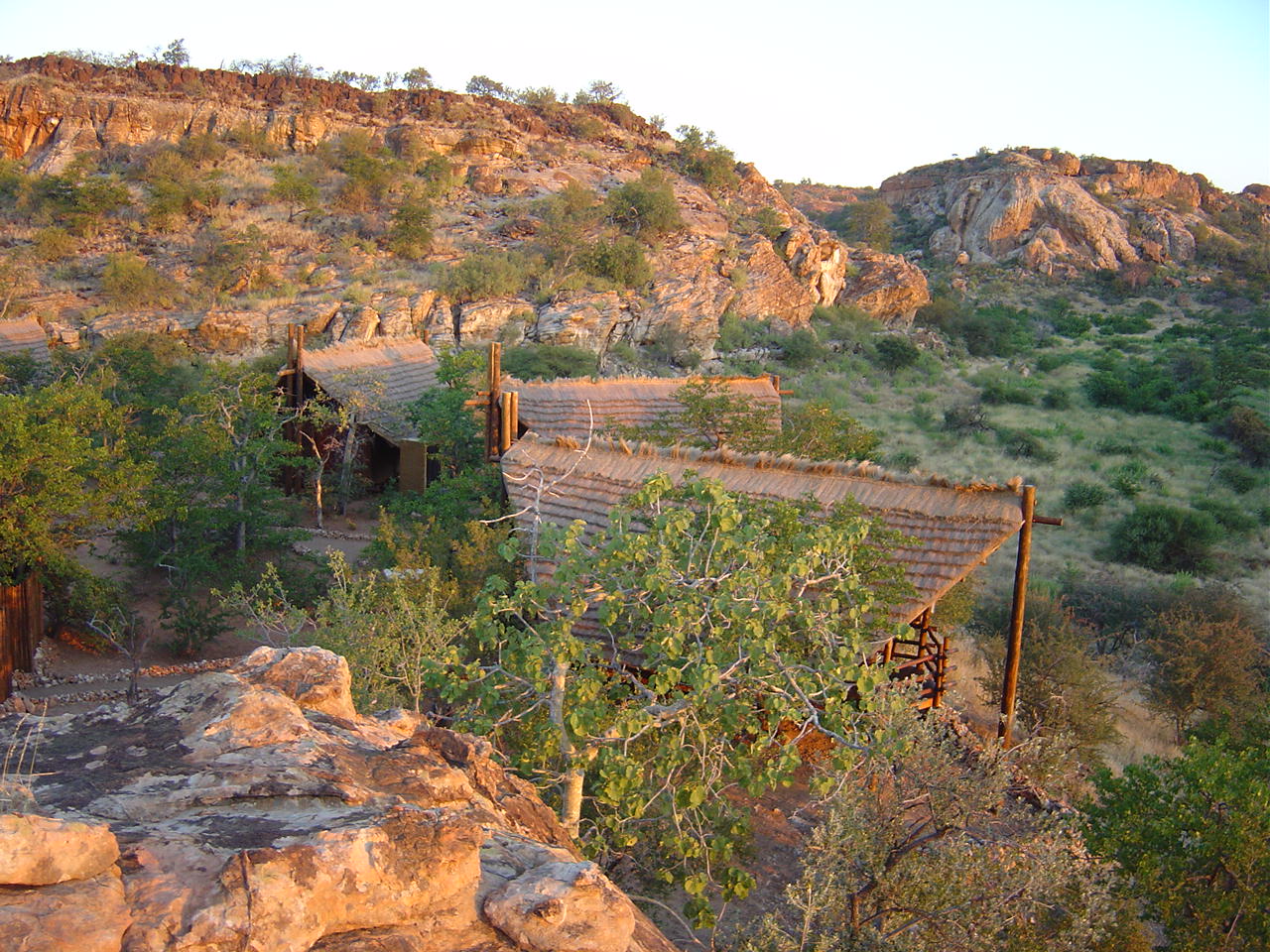
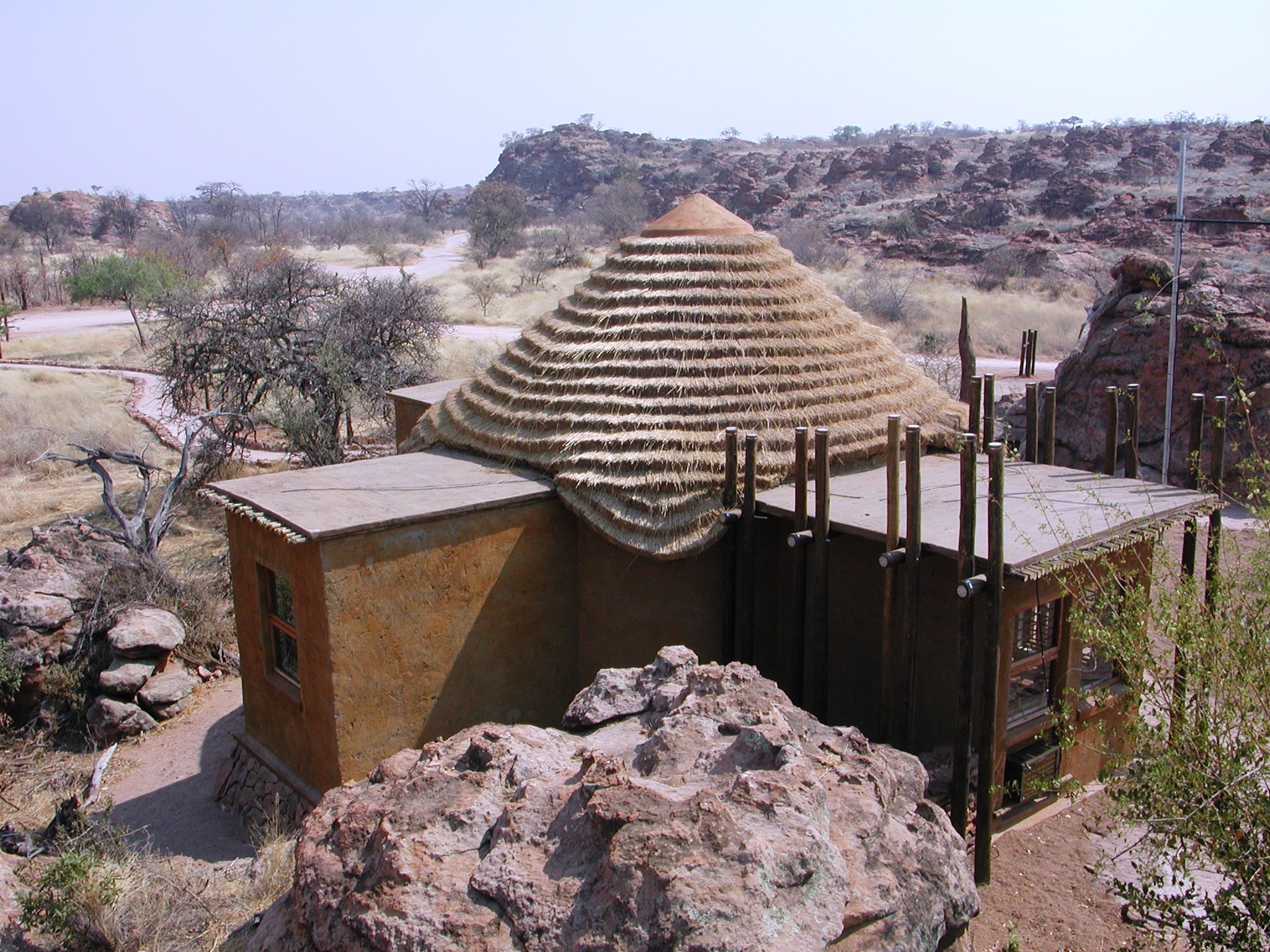

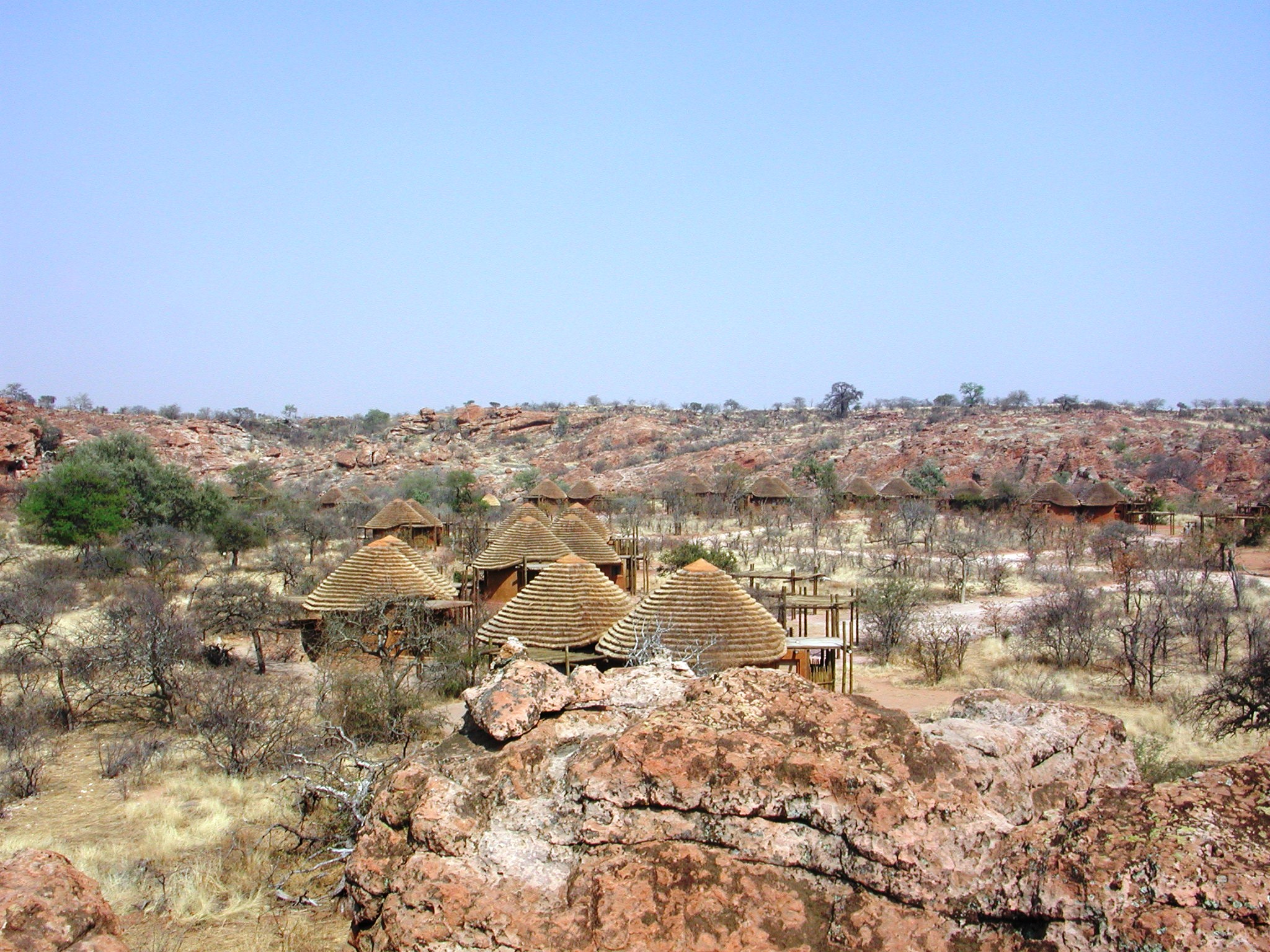


mapungubwe national park facilities
In 2000 we designed various entrance gates, hides, walkways, camps, tented camps as well as picnic areas and viewpoints for Mapungubwe National Park for SANPARKS

marakele national park

marakele national park facilities
eco-tourism residential institutional master planning other


marakele national park facilities
Situated in the transitional zone between the dry western and moister eastern regions of South Africa, the Tswana name of this Park is fitting: Marakele means “sanctuary” and has become home to many wildlife species over the years.
At the time that the development took place; the intention was to not have any “conventional” restcamps in the Park. A tented lodge (called Tlopi) was built overlooking the Apiesrivierpoortdam, as a first phase.
The campsite and entrance gate facilities were therefore designed to have a “canvas character”. Combined with lightweight concrete flat roofs, the canvas roofs over passages and public areas hinted at the non-conventional facilities envisaged for the Park. The massive canvas roof over the entrance road would have posed a problem in heavy winds – more than half the surface area thereof was made of shade netting (which lets wind pass through), reflecting the silhouette of the Waterberg mountains behind it.
richtersveld national park wilderness camps

richtersveld transfrontier park wilderness camps
eco-tourism residential institutional master planning other


!Ais!Ais/richtersveld national park wilderness camps
Also called South Africa’s “mountain desert”, this arid Park is home to the Nama people. Traditionally pastoralists, they followed the rain with their herds of goat and sheep staying in igloo-like huts made of Wag-n-bietjie saplings. The framework of these huts is covered with “biesiematjies” when they are used, and remained behind when they moved on.
This age-old way of roofing inspired the design of the tourism facilities developed in the Park. Various interpretations thereof made for interesting structures. To make the mats waterproof (for the rare times that rain fell in this desert) they were painted with a waterproofing paint or covered with canvas.
Walls were either dry stack stone or reeds from the Gariep River, with a double layer being used with shade netting in between the layers. This keeps out insects and breaks the speed of the cold winter winds.
kgalagadi transfrontier park wilderness camps

kgalagadi TP wilderness camps
eco-tourism residential institutional master planning other


kgalagadi transfrontier park wilderness camps
The Kalahari Gemsbok Park and the Gemsbok National Park in Botswana were united to create the first functional Transfrontier Park 20 years ago. Mostly Kalahari sandveld, two rivers run through it, the Auob and the Nossob, which only flows during exceptionally wet seasons.
SANParks decided to diversify its tourism offering in 1999 by introducing wilderness camps. These 8 bed, unfenced camps looked after by an on-site ranger, became extremely popular and visitors now need to book a year in advance. They are placed in different biomes of the Park: Urikaruus is in the Auob riverbed (and therefore lifted off the ground to not hinder animal movement and safeguard guests); Gharagab overlooks the well-treed dunes of the north-western part of the Park; Grootkolk adjoins a pan adjacent to the Nossob River; Bitterpan overlooks a saltpan in the middleveld between the two rivers and Kieliekrankie is built into the top of a dune. The architectural styles of these camps are therefore all different, each one shaped to suit its particular environment.
kgalagadi transfrontier park tented camps

kgalagadi transfrontier park tented camps
eco-tourism residential institutional master planning other


kgalagadi transfrontier park wilderness camps
The Kalahari Gemsbok Park and the Gemsbok National Park in Botswana were united to create the first functional Transfrontier Park 20 years ago. Mostly Kalahari sandveld, two rivers run through it, the Auob and the Nossob, which only flows during exceptionally wet seasons.
SANParks decided to diversify its tourism offering in 1999 by introducing wilderness camps. These 8 bed, unfenced camps looked after by an on-site ranger, became extremely popular and visitors now need to book a year in advance. They are placed in different biomes of the Park: Urikaruus is in the Auob riverbed (and therefore lifted off the ground to not hinder animal movement and safeguard guests); Gharagab overlooks the well-treed dunes of the north-western part of the Park; Grootkolk adjoins a pan adjacent to the Nossob River; Bitterpan overlooks a saltpan in the middleveld between the two rivers and Kieliekrankie is built into the top of a dune. The architectural styles of these camps are therefore all different, each one shaped to suit its particular environment.
kgalagadi camp concessions

kgalagadi camp concessions
eco-tourism residential institutional master planning other


kgalagadi camp concessions
Designed for the harsh desert environment of the Kgalagadi area in Botswana.